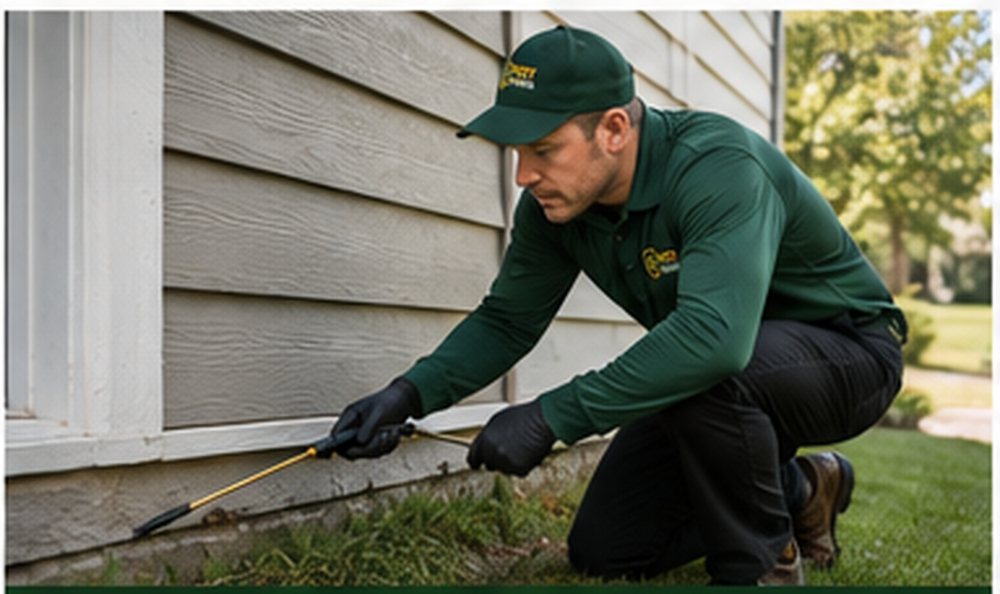
Ants are the single most common call we get across every town we serve. Most are a nuisance rather than a real danger — but a trail that keeps coming back usually means a colony has found a reliable food source nearby.
Most ant problems on Long Island come down to a short list of look-alikes: small black or brown ants foraging in a line along a windowsill or countertop, tiny pale ants near a kitchen sink or bathroom, or larger, darker ants that turn out to be carpenter ants rather than an ordinary house ant.
Size, color, and where you're seeing them all matter for identification — a technician can usually tell which species is involved from a quick look at the trail and the entry point, which changes how it's treated.
Most household ants don't bite or carry disease, but they contaminate food prep surfaces and pantry items, and a colony that's found a steady food source indoors won't leave on its own just because the visible trail gets wiped away.
The bigger risk is misidentification — a trail of large, dark ants is sometimes carpenter ants, which do cause structural damage over time. See our Carpenter Ants page if you're not sure which one you're looking at.
We start with an inspection to find where ants are entering and, where possible, the nest itself, rather than just treating the visible trail. Bait and targeted treatments at entry points and nesting areas address the colony, not just the ants you can see.
Because ant colonies can be large and re-invade from outside, most treatments include a follow-up window rather than a single one-time spray.
This pest is covered under our Home Protection Plan.
Free inspection, no pressure — a real person calls back, usually same day.
Usually not from a single visit. Colonies can be large and spread across more than one nesting site, so most ant treatments include a scheduled follow-up rather than a one-time spray.
Wiping up the visible trail removes the scent path but not the colony. Until the nest and entry point are treated, foraging ants will usually find their way back to the same food source.
Yes, when applied and allowed to dry as labeled. We'll tell you about any wait time before re-entering a treated area at the time of service.