Mosquitoes and ticks are yard problems, not house problems, and they need treatment scheduled around the season rather than a single spray. This plan is built to keep the yard usable from spring through fall.
This plan targets the outdoor pests that make a yard unpleasant or genuinely risky to use — mainly mosquitoes and ticks, along with fleas where they're active outdoors. Treatment focuses on the shaded resting areas, vegetation, and yard edges where these pests are actually found, rather than blanket-spraying the whole property.
Because both mosquitoes and ticks are active for most of the warmer months on Long Island, this is run as a recurring seasonal program rather than a one-time treatment.
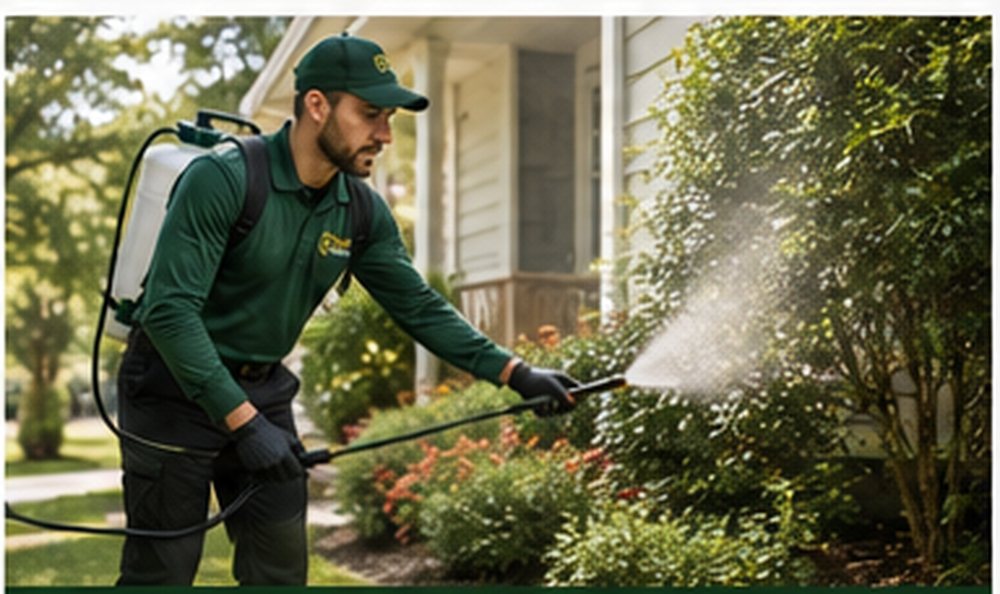
A technician walks the property to identify mosquito resting areas, standing water, and tick-prone transition zones between lawn and brush or woods.
Treatment targets those specific areas rather than the whole yard, timed to when mosquitoes and ticks are actually active.
Technicians return monthly through the season, since both pests repopulate an untreated yard well before a single treatment would otherwise wear off.
If mosquito or tick activity picks back up before the next scheduled visit, we return and treat it again at no extra charge. The plan is built around keeping the yard usable all season, not around a fixed number of visits.
Free inspection, no pressure — a real person calls back, usually same day.
Roughly March through November on Long Island, though it can shift a bit year to year depending on temperatures. The plan runs monthly through that window.
It significantly reduces activity in treated areas, but both can be reintroduced from neighboring properties or by wildlife moving through, which is why ongoing monthly treatment holds up better than a single spray.
Yes, when applied as labeled — your technician will let you know about any wait time before the yard should be used again after each visit.
It addresses fleas active outdoors in the yard as part of the same visits. Fleas already established indoors may need a separate, targeted treatment.