Pest Guide
Mosquito Control for Long Island Yards
Between Long Island's humidity, standing water, and — for some towns we serve — an actual lake nearby, mosquito season here can run from spring well into fall.
Between Long Island's humidity, standing water, and — for some towns we serve — an actual lake nearby, mosquito season here can run from spring well into fall.
Only female mosquitoes bite, since they need a blood meal to develop eggs. They're drawn to carbon dioxide, body heat, and standing water nearby — which is why a yard with even small pockets of standing water tends to have a worse mosquito problem than one without.
Mosquitoes need very little water to breed — a clogged gutter, an unturned wheelbarrow, or a birdbath that isn't changed regularly can be enough to sustain a local population all season.
Beyond the itching, mosquitoes in this region can carry West Nile virus and, less commonly, Eastern equine encephalitis — both reasons Suffolk County's health department actively monitors mosquito populations most summers.
A yard that's genuinely unusable during peak season is also just a quality-of-life problem worth solving on its own, separate from the health angle.
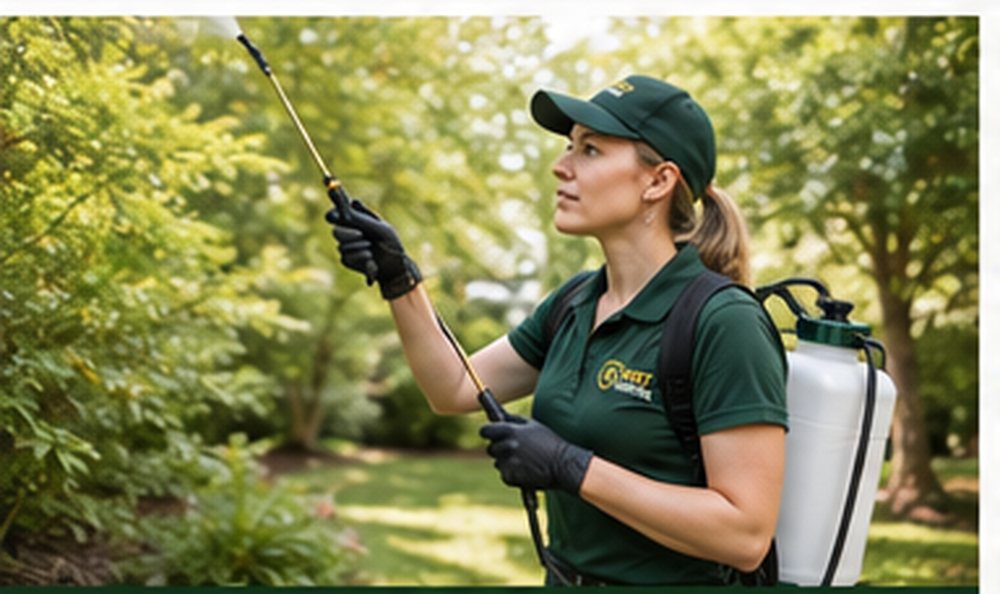
Treatment targets the vegetation and shaded areas where adult mosquitoes rest during the day — the underside of leaves, dense shrubs, and shaded fence lines — along with identifying any standing water sources on the property that need to be addressed directly.
Because mosquitoes breed continuously through the season, this is a recurring treatment, not a one-time spray. See our Yard Enjoyment Plan for the monthly schedule we run through the warmer months.
This pest is covered under our Yard Enjoyment Plan.
Free inspection, no pressure — a real person calls back, usually same day.
Very little — mosquitoes can complete their life cycle in as little as a bottle cap of standing water, which is why checking the yard for small, easy-to-miss sources matters as much as any treatment.
Monthly through the warmer months (roughly March through November on Long Island) is the standard schedule — mosquitoes breed continuously, so a single treatment doesn't hold up on its own.
Yes, when applied as labeled — we'll let you know about any wait time before pets or people should re-enter treated areas at the time of service.