Service Plan
Termite Defense Plan
Termite damage typically isn't covered by homeowners insurance, and it happens quietly, often for years, before it's visible. This plan is built around ongoing monitoring, not a single treatment.
Termite damage typically isn't covered by homeowners insurance, and it happens quietly, often for years, before it's visible. This plan is built around ongoing monitoring, not a single treatment.
Termites are handled differently from general household pests because the damage builds slowly and out of sight, usually inside walls, sill plates, or crawlspaces, well before there's any visible sign at the surface. This plan starts with a full foundation and crawlspace inspection, followed by ongoing monitoring rather than a one-time treatment.
Because a colony can be active on a property for a long time before it's noticed, we treat termite protection as a standing plan rather than something to revisit only after damage shows up.
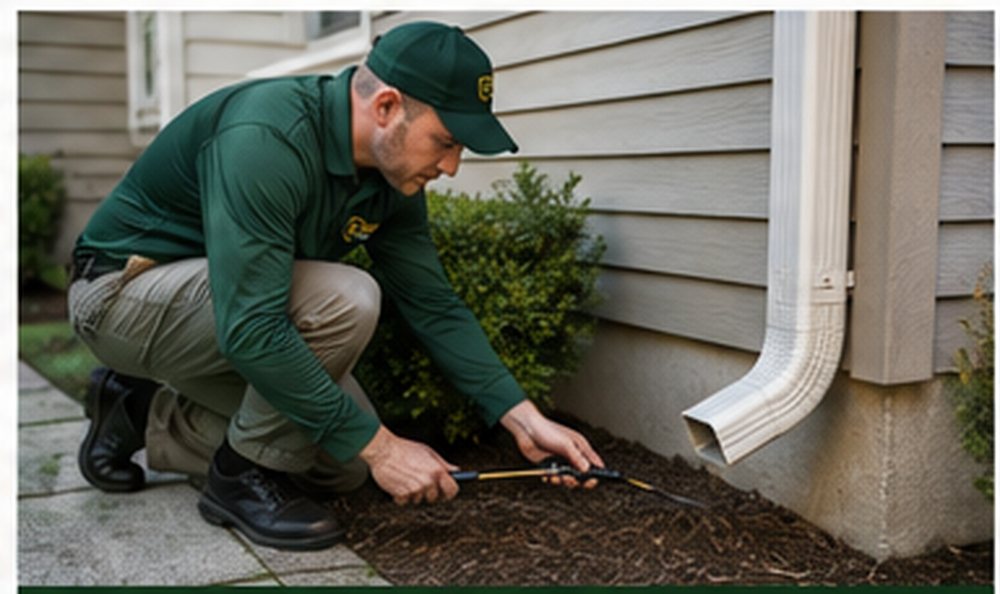
A technician inspects the foundation, crawlspace, and other vulnerable points for shelter tubes, damaged wood, and other signs of activity.
Where activity or elevated risk is found, treatment is applied at the relevant points rather than as a blanket application across the whole property.
Scheduled monitoring visits continue after the initial treatment, since termite activity can resume or appear elsewhere on a property over time.
If active termites are found in a monitored area between visits, we return and treat it as part of the plan. The goal is ongoing protection, since termite risk doesn't go away after a single treatment the way it does with most household pests.
Free inspection, no pressure — a real person calls back, usually same day.
Typically not — most homeowners policies treat termite damage as a preventable maintenance issue rather than a covered loss, which is a big part of why ongoing monitoring is worth having in place before damage occurs.
Common signs include mud shelter tubes along a foundation, wood that sounds hollow when tapped, or discarded wings near windowsills. Many active infestations show no obvious sign at all, which is why an inspection matters even without visible symptoms.
A single treatment addresses what's found at that moment, but termite risk is ongoing for most properties. This plan includes scheduled monitoring so new activity is caught early rather than after real damage has occurred.
That's actually when it matters most — termite activity is often invisible until damage is significant. An inspection establishes a baseline, and monitoring catches activity before it becomes a bigger repair.